
We specialize in eating disorders, disordered eating, body image concerns, and difficulties in your relationship with food. We are not a general medical nutrition practice.
If your primary concern is diabetes, kidney disease, gastrointestinal disease, cardiovascular disease, food allergies, or another medical condition requiring specialized nutrition therapy, you will usually be better served by a registered dietitian who specializes in that condition.
Sometimes, though, the nutrition recommendations are not the hardest part.
You may know what you have been advised to eat and still find yourself unable to follow it. Food rules may become more rigid. Restriction may lead to overeating or bingeing. Fear, guilt, or confusion around food may make an already complicated medical diet even harder to manage.
That is where our work may be useful.
We help people untangle the eating patterns, beliefs, and struggles that can make nourishment difficult—even when they already have plenty of nutrition information.
Medical Nutrition Therapy in Florida
If you are looking primarily for medical nutrition therapy, one resource is Vital Nutrition, based in Ocala and offering telehealth throughout Florida. Their team provides nutrition counseling for a range of medical conditions.
This resource is provided as a starting point. Services, availability, and areas of specialization may change, so contact the practice directly to determine whether they are a good fit for your needs.
When We May Still Be the Right Fit
We may be appropriate if your medical nutrition concerns are tangled up with:
Restriction or chronic dieting
Bingeing or feeling out of control around food
Fear of particular foods
Rigid food rules
Constant thoughts about food
An eating disorder or disordered eating
Difficulty trusting hunger and fullness
Body image concerns that interfere with eating
If the above sounds familiar, contact us and we can help you sort out whether our approach is the right fit.
Good luck with your nutritional journey. Remember, if you try to change your food, but can’t stay with it, you may fit into the list above — and that is where we are especially good. If we can help you in the future, do not hesitate to reach out.

Understanding the levels of treatment for eating disorders — from outpatient to residential — and how to choose the right support for lasting recovery.
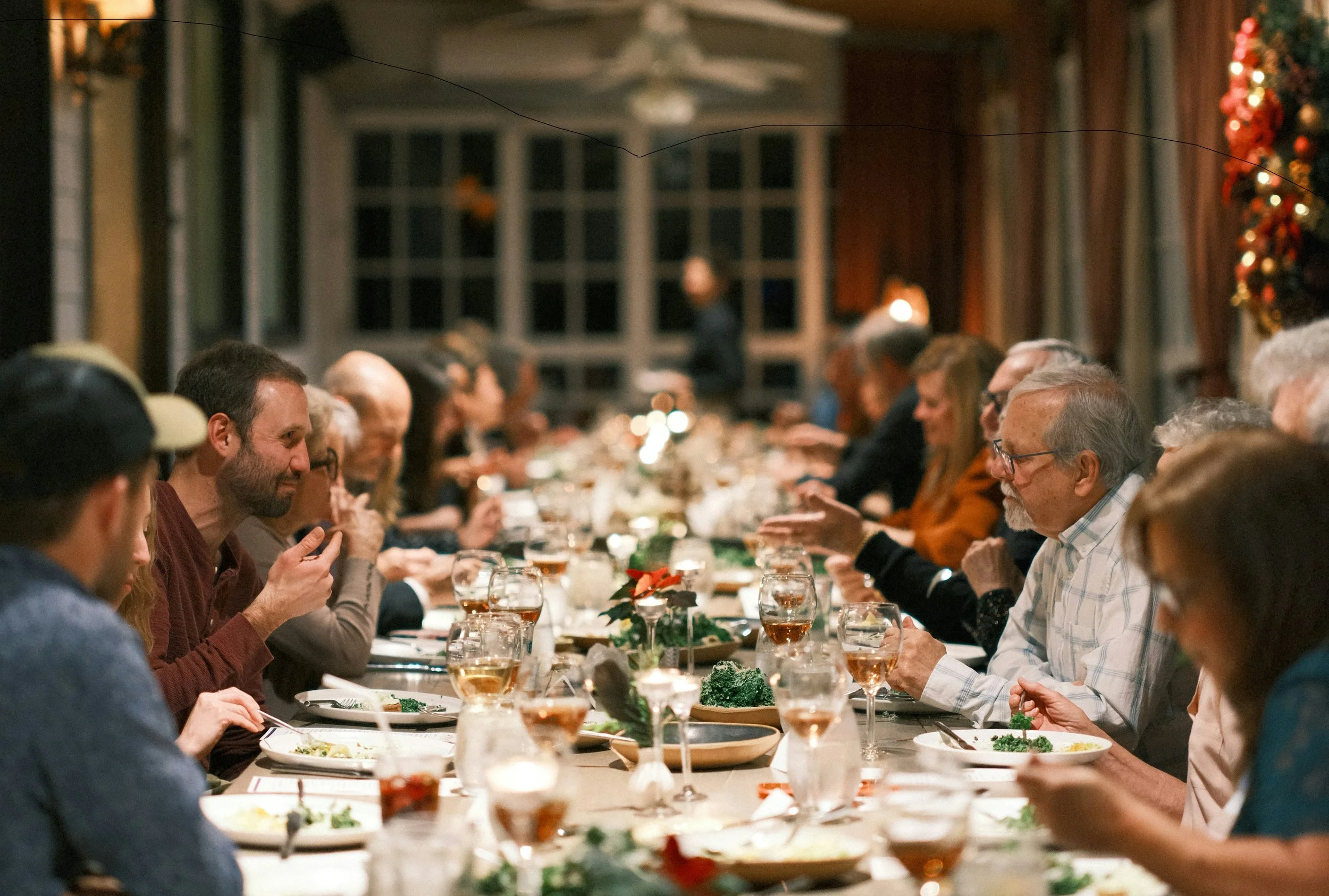
Learn how each Enneagram type experiences holiday triggers, stress, and eating patterns. Looks at navigating food, family, and seasonal pressures without diet culture.

Think your child would eat nothing but cookies if given the chance? The truth might surprise you—and change the way you feed your family.

What if your body was never the problem? This powerful read invites you to see your body through a whole new lens.

Everyday comments about food and bodies might be influencing your child’s ability to manage their eating and weight. Find out what they are—and what to do instead to raise confident, body-trusting children.

Diet culture taught us to mistrust our bodies. But what if we chose reverence and grace over control and guilt?.

Explore why the fantasy of being thin can feel more powerful than reality—and how constant longing keeps us from truly living.

The Body Police Quiz is a playful take on body image—and a nudge toward silencing your inner critics and seeing yourself differently.

Discover what the obesity paradox reveals about the hidden biases shaping weight and health research, and learn about the research that doesn’t make the news.

Discover what the research says about your child’s weight, and health—and why our current approaches may be doing more harm than good.
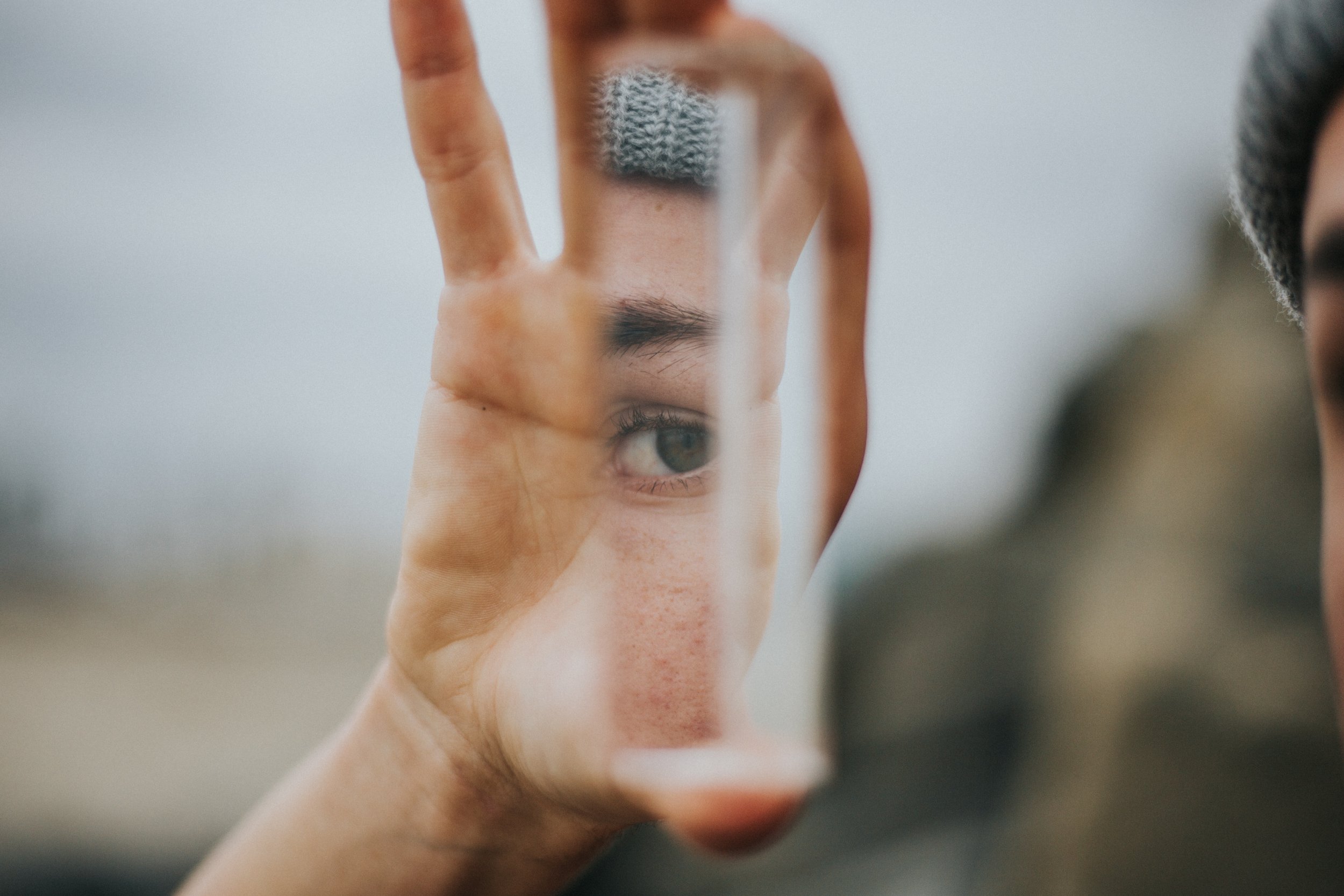
If you're tired of the mirror holding power over your mood, this compassionate read unpacks the hidden reasons we obsess over our reflection—and offers a path toward freedom.

Everyone knows you can pick a number on the scale, change your food and exercise and get to that weight and stay there, right? Yet no scientific research exists which shows this this is possible. A quick look at the research and what you can do.

Fat shaming in the medical field isn’t just unkind — it’s dangerous. This eye-opening post breaks down how weight bias harms patients, delays care, and damages health.

Sometimes you may want to recover — and sometimes you may not want to. Ambivalence is normal. You don’t have to be all-in to begin.
If it feels like your brain never stops circling back to food, it’s not a lack of willpower. Here's what constant food thoughts actually mean, and what helps.