
Thanksgiving can be stressful even in the best of times. There’s the rushing around, the traveling, the getting ready, and then there’s actually getting together with family and friends, which can bring its own kind of stress. If you also struggle with food and eating, you may be going into the day with a worry that nobody else at the table can see. What if I can't stop eating?

This Thanksgiving, take one tip with you. It’s way easier to stop eating something when you know, without a shadow of a doubt, that you can have it again later. And if you can have it a couple of times later, without guilt, without judgment, and without telling yourself you have to make up for it...when you get there...walking away from food becomes a whole lot easier.
You can be physically stuffed and still want more of something that has been limited or that you believe is bad to eat. If you're telling yourself I shouldn’t be eating this, and I won't eat it again, you will often still be interested in it.
In one study, researchers told some participants they’d be starting a low-calorie diet right after a cookie taste test. Among the people who already tended to restrict their eating, those who expected to start the diet ate more cookies than those who received no diet instructions. The thought of what would happen later changed what they ate right then. Urbszat, Herman, & Polivy, 2002
When Cheesecake Comes With a Deadline
I was recently walking with a friend who was telling me about her husband’s famous Thanksgiving cheesecake, which indeed sounded quite good. I told her about this blog I was writing, and she was curious about the whole concept, never having had food issues herself. So I asked her to imagine the following.
Imagine that this Thanksgiving, you knew, for sure, that you would never be allowed to eat your husband’s cheesecake again. Imagine being told this was your punishment for not being a very good person, for not being able to pull your life together (an underlying message of diet culture). But you had all of Thursday, until midnight, to eat as much as you wanted. What would you do?
She thought for a minute and said, “I would eat a lot of it. A lot!” Bingo.
Researchers have been studying the connection between dietary restraint and overeating since the 1970s. And what they consistently find is this: what we tell ourselves we’re allowed to eat can have a powerful effect on how we eat. Herman & Mack, 1975
So how can you bypass that overeating reaction? Let's focus on one idea, which is going to sound completely insane.
Ask yourself, “How can I get as much of it as possible?”
Yes, You Read That Right. How Can I Get as Much of This as Possible?
Stay with me. First, think about the Thanksgiving foods you like and list them in order, starting with the one that most calls to you. Now pick the food closest to the top that you usually go into Thanksgiving thinking, I’m going to avoid that this year, or I’ll have a little, but I’d better be careful. Now, apply the question, How can I get as much of it as possible?
I do believe in guardrails. I work with clients to recognize hunger and fullness and use those signals to help them decide when to start eating and when they’ve had enough. Part of the work is learning how to eat in a way that supports the body’s natural regulation of food intake and weight. However, if you’re still learning to recognize hunger and fullness, this exercise can still work.
If you’re working with a therapist, dietitian, or treatment team, run this by them first so it fits the plan you’re already following. Here are some ideas to consider, and I’ll explain how it works in a minute.
Eat It Before Thanksgiving. And After!
This is one of my favorite techniques. I love sweet potato casserole. So whether I was going to a family Thanksgiving or a Friendsgiving, I’d volunteer to bring it.
I always made it the day before, and I made extra. Enough to have a large serving for dinner on Wednesday. When I was struggling with eating issues, I’d have a serving for breakfast on Thursday, too. Then I’d have it at Thanksgiving dinner. Before I even left the house, I’d already set some aside for Friday lunch, Saturday dinner, and a snack on Sunday.
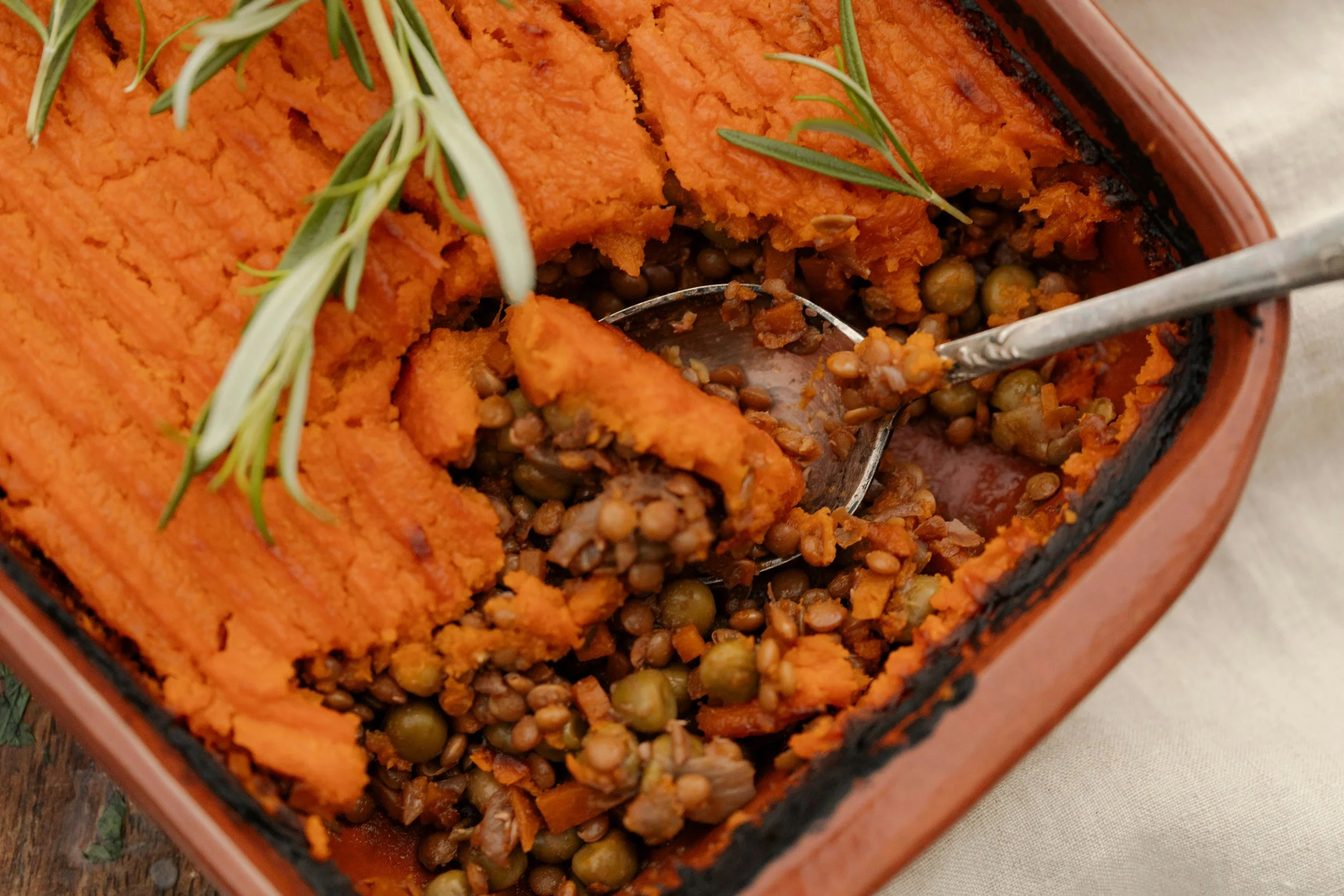
Count them up. That’s six times I ate sweet potato casserole. Now imagine yourself at the Thanksgiving table with the sweet potatoes right in front of you. You had some last night. You had some this morning. You know there’s more at home, and you already know you will have a serving on Friday, Saturday and Sunday. Is the call of the sweet potato casserole still as loud? Or has the urgency to get more, more, more quieted down?
Make a Plan You Believe
There’s a reason I got as specific as Friday lunch. If I’d just said, Oh, I can have some later, that left plenty of room for me to open the fridge on Friday and think, You had plenty yesterday. You really shouldn’t. The casserole would still be there, and I’d have found a way to take it away from myself anyway. My brain had to know, without a shadow of a doubt, that I really was going to have it again. That meant sitting down and eating it when Friday lunch came around, without asking myself what I’d have to do to make up for it.
If part of you doesn’t believe the plan yet, that’s normal. Trust builds with practice. Each time you follow through, your brain gets a little more proof that it can count on you.
The plan isn’t a rule about the clock, either. If you’re not hungry at noon on Friday, the casserole will still be there at three. And if you end up eating more than you expected on Thursday, that doesn’t cancel Friday’s serving. It’s still there, and it’s still yours.
Your Brain Needs More Than “Maybe Later”
Think through what you’ll have, when and where you’ll eat it, and how you’ll make sure it’s there. Maybe you pack a slice of pie before you leave and plan to have it with coffee at your kitchen table for your Friday afternoon snack. If you catch yourself thinking, I had pie yesterday. I really shouldn’t, this is the moment you planned for. That is your brain, living in diet culture, creating a restriction mindset. Which means the pie will still have power over you.
A caveat. If you consistently undereat, as in anorexia, a food eaten daily may not become ho-hum. There are mechanisms in place that cause this, and you can work with a dietitian to counter this. I plan to write a blog about it as well, so stay tuned! Meanwhile, you can still benefit from this activity, it can help you shift a food out of the unsafe category.
If this feels too hard, take a moment to imagine how ordinary, even ho-hum, a food can become if you were to eat it Every Single Day. Not so much with breakfast. People often eat the same breakfast day after day. But think if your dinner were the same for weeks and months. Or if you had to eat a favorite snack every afternoon, without fail, for the next year. That favorite snack would likely not be a favorite on day 365. As you imagine this, know that it can happen for you in real life as well.
What If a Relative Is Making Your Favorite Food?
Let’s say your mother’s turkey dressing is your favorite thing on the Thanksgiving table. You ask yourself, How can I get as much of it as possible? Let’s brainstorm. Could you tell your mom how much you love her dressing and ask if she’d make a little extra so you can take some home?
If she already knows that meals like this can be hard for you, you might tell her how much it would help to know there’ll be some for later. Then ask, “Mom, can I set some of this aside before we eat? I’d love to have it again tomorrow.” If you can, do this before you sit down to eat. You want to know while you’re enjoying the dressing that there’s already some set aside for you.
Then give that dressing a specific time and place in your Friday. Maybe you’ll have it for lunch with some leftover turkey. Picture yourself opening the fridge, putting it on a plate, and sitting down to eat it. If the first thing that comes to mind is Well, that depends on how much I eat on Thursday, that’s worth noticing. If Friday’s dressing depends on how much you eat on Thursday, then it’s still up in the air whether you’ll get to have any. Let yourself know that you will be eating it again. For sure. Your brain needs to be able to count on it before you can achieve the freedom of easily, comfortably walking away from a food.
What If You’re at a Friendsgiving?
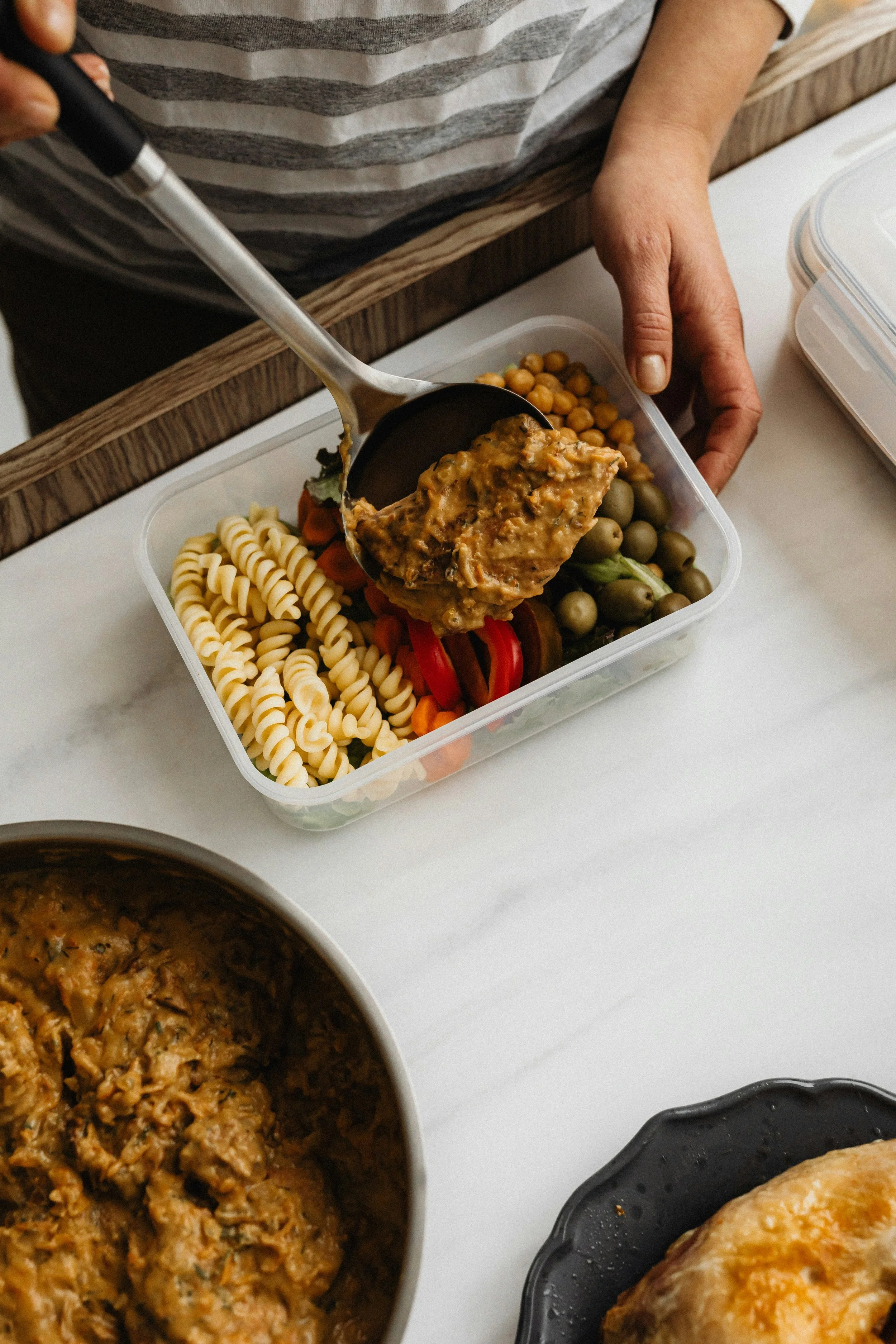
Let’s say you are at a Friendsgiving and take a bite of some of the most sumptuous turkey dressing you’ve ever had. Find out who made it. Tell them it’s the best dressing you’ve ever tasted and ask if you could pretty please take some home so you can enjoy it again tomorrow.
If you’ve ever brought a dish to a gathering and watched people pass it by, you can imagine how much fun it might be to hear, “Who made this? And can I take some home?”
Or you can get a little theatrical about it. Go back for a nice big helping of dressing with every intention of taking it home. Then look down at your plate and say, “Oh dear. I'm too full to eat any more right now. And this dressing is way too good to leave behind. Anybody have a container?”
Have some fun with this. You’re allowed to be enthusiastic about the dressing.
Before you head home with that container, decide when you’ll eat what’s in it. Tomorrow with lunch gives you something specific to look forward to, and following through helps your brain learn it can count on you.
What If Someone Comments on Your Plate?
Sometimes the hardest part is hearing, “You’re having seconds?” or “Is that all you’re eating?” You don’t owe anyone an explanation. A simple, friendly line is enough, like “yes, it’s so good, I feel lucky to be able to enjoy it,” or “I’m all set, thanks.” Then pass the potatoes and change the subject. If it’s someone you can talk to, you might tell them before the day that comments about your plate don’t help. Practicing some simple lines and planning a topic you can bring up before you get to the dinner can be very helpful.
When You Know You Can Have More
I used to run a ten-week internship for nutrition majors at the University of Florida. In the first few weeks of learning about intuitive eating, they thought I was crazy, such was their indoctrination into traditional approaches to nutrition. By Thanksgiving, they’d had some time to practice. They came back from the holiday amazed at how much easier it had been to eat what they wanted and stop when they felt satisfied. I recall one saying:
“It is the first Thanksgiving ever that I simply did not want dessert. I was full and passed it by. Easily. Everyone else was still eating, complaining about how full they were. That evening when I got hungry, I had some of the dessert. Then was done. Best Thanksgiving ever!”
This is not about putting off eating something. Having dessert at the table would have been just as good. What made the difference was that the choice was theirs. They did not feel compelled to eat it.
The interns gave themselves a real chance to know they could freely eat what they wanted, now and in the future, without a shadow of a doubt, and that changed how it felt to have those foods in front of them. Over time, you can enjoy even a food you may never get to have again and feel satisfied when you’ve had enough. Sure, you’d love to have it again, but you also know there will be other foods you’ll look forward to, other delicious things you’ll let yourself eat, and plenty of ordinary Tuesdays when you can have something just because it sounds good.
That kind of freedom can be hard won in a world that keeps telling you to watch what you eat and eat less. If you’d like some help finding your way there, feel free to give us a call or explore the resources on our website. And whatever else Thanksgiving brings this year, I hope the food is one part of the day you get to enjoy.


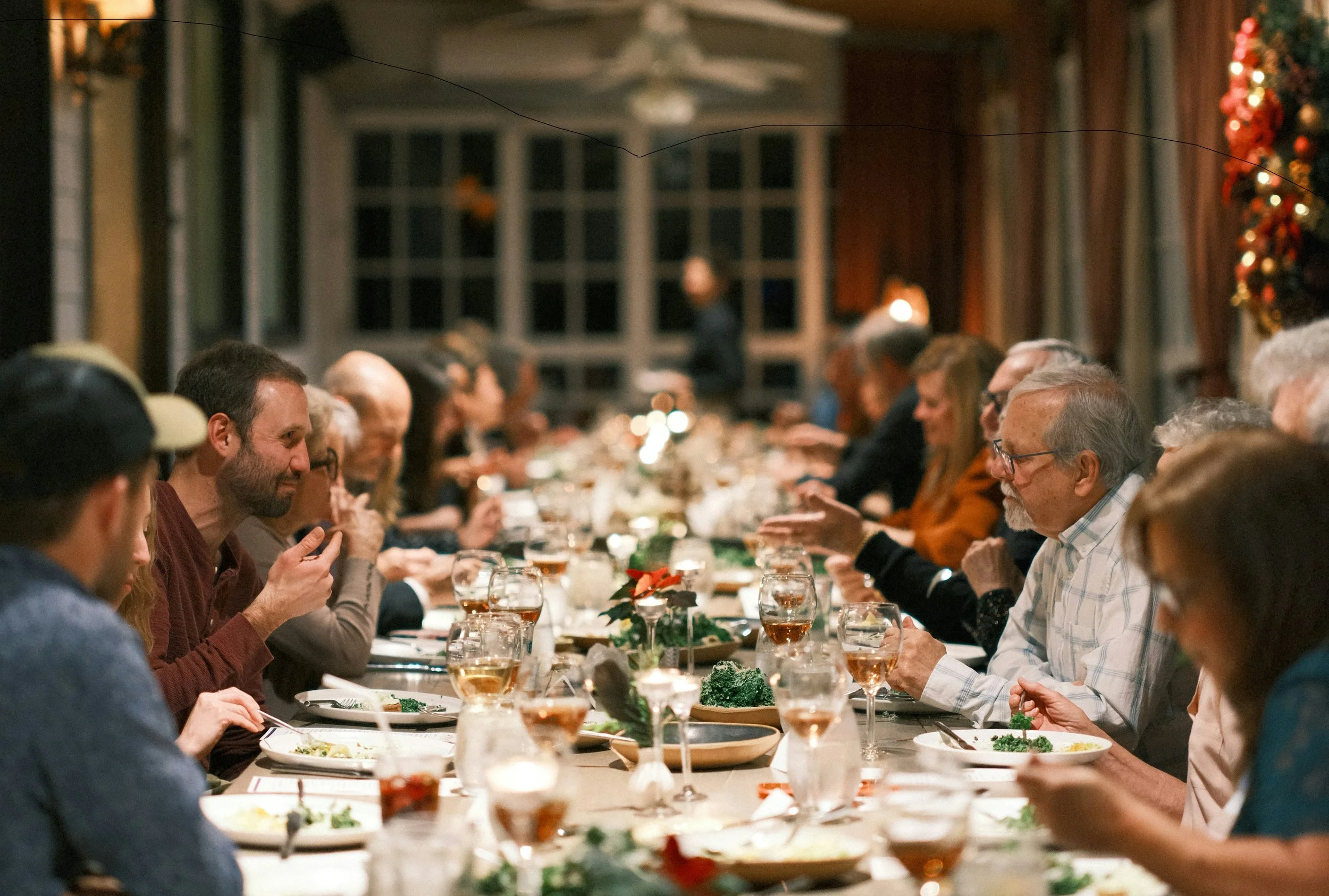





Does Thanksgiving come with a side of food stress? Here’s a tip that might turn your whole approach to the meal on its head.