
"Enjoyment is not a goal, it is a feeling that accompanies important ongoing activity."
~ Paul Goodman (1911 - 1972)"The happiest is the person who suffers the least pain; the most miserable who enjoys the least pleasure."
~ Jean Jacques Rousseau (1712 - 1778)
Does Enjoying Food Make You Eat Too Much Of It?
Mindful, intuitive eating guidelines encourage us to truly enjoy our food. "That's crazy," you might think, "If I really enjoy my food, I will eat way too much of it."

But how often do you truly enjoy eating? I
t's impossible to do if you have any "I should, I shouldn't, I can't" chatter in your mind. It is also impossible if you are thinking "I'll chow down now and make up for it tomorrow."
In these scenarios, you are actually not focused on how good the food tastes -- you are focused on how bad you are for eating it!
When is the last time you ate something yummy with no negative chatter? Without counting calories? Without guilt?
If you have a history of managing your food intake, chances are it has been a very long time since you have been able to truly enjoy eating.
If you are not savoring your food, you will not feel deeply satisfied when you eat. It is the enjoyment and that deep satisfaction that makes it easier to not overeat.
How can this be?
Well, when you do not savor your food, you need more of it to get to satisfaction.
And then, of course, how do you deal with feeling upset? Guilty? Unhappy? Perhaps you eat in response to negative emotions, adding to overeating.
Feeling Satisfied on a Deeper Level Will Help You Stop Overeating
However, when you are able to truly enjoy your food, when you can slow down and savor each wonderful bite, you feel satisfied on a much deeper level. The result? A positive, enjoyable experience that makes it easier for you to walk away from food when your belly gently says, "Enough."
Try this. Take one day and do no other activity when you eat. Do not read the paper, do not watch TV, do not plan your day. If you typically eat with others, try to get away for just one meal and be alone. Pay close attention to the tastes, flavors and textures, to your levels of hunger and fullness. Consider how useful this approach to food could be to your eating goals.
Today, take the time to truly savor your food.

Understanding the levels of treatment for eating disorders — from outpatient to residential — and how to choose the right support for lasting recovery.
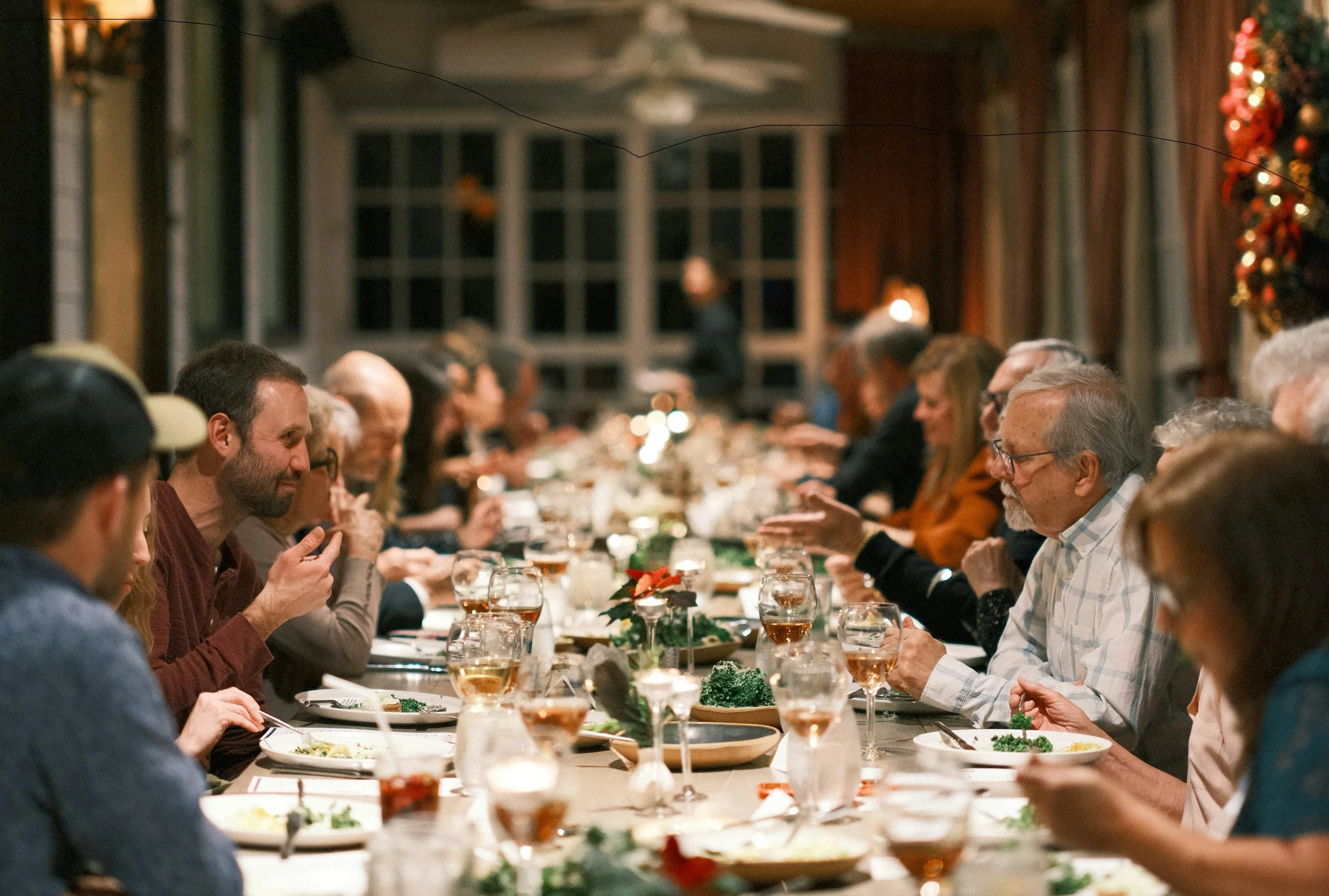
Learn how each Enneagram type experiences holiday triggers, stress, and eating patterns. Looks at navigating food, family, and seasonal pressures without diet culture.

Think your child would eat nothing but cookies if given the chance? The truth might surprise you—and change the way you feed your family.

What if your body was never the problem? This powerful read invites you to see your body through a whole new lens.

Everyday comments about food and bodies might be influencing your child’s ability to manage their eating and weight. Find out what they are—and what to do instead to raise confident, body-trusting children.

Diet culture taught us to mistrust our bodies. But what if we chose reverence and grace over control and guilt?.

Explore why the fantasy of being thin can feel more powerful than reality—and how constant longing keeps us from truly living.

The Body Police Quiz is a playful take on body image—and a nudge toward silencing your inner critics and seeing yourself differently.

Discover what the obesity paradox reveals about the hidden biases shaping weight and health research, and learn about the research that doesn’t make the news.

Discover what the research says about your child’s weight, and health—and why our current approaches may be doing more harm than good.

If you're tired of the mirror holding power over your mood, this compassionate read unpacks the hidden reasons we obsess over our reflection—and offers a path toward freedom.

Everyone knows you can pick a number on the scale, change your food and exercise and get to that weight and stay there, right? Yet no scientific research exists which shows this this is possible. A quick look at the research and what you can do.

Fat shaming in the medical field isn’t just unkind — it’s dangerous. This eye-opening post breaks down how weight bias harms patients, delays care, and damages health.

Sometimes you may want to recover — and sometimes you may not want to. Ambivalence is normal. You don’t have to be all-in to begin.
Can’t stop thinking about food? Learn how underfueling and psychological deprivation keep food on your mind—and what actually helps quiet the noise.
If it feels like your brain never stops circling back to food, it’s not a lack of willpower. Here's what constant food thoughts actually mean, and what helps.
Understanding the levels of treatment for eating disorders — from outpatient to residential — and how to choose the right support for lasting recovery.
Learn how each Enneagram type experiences holiday triggers, stress, and eating patterns. Looks at navigating food, family, and seasonal pressures without diet culture.
Think your child would eat nothing but cookies if given the chance? The truth might surprise you—and change the way you feed your family.
What if your body was never the problem? This powerful read invites you to see your body through a whole new lens.
Everyday comments about food and bodies might be influencing your child’s ability to manage their eating and weight. Find out what they are—and what to do instead to raise confident, body-trusting children.
Diet culture taught us to mistrust our bodies. But what if we chose reverence and grace over control and guilt?.

Does salad really keep you full? Large-volume, low-calorie foods can stretch the stomach temporarily without providing enough fuel—one reason volume eating can backfire.
Intuitive eating asks for a new worldview, one beyond diet culture. This post explores how the Enneagram can illuminate your patterns and support a gentler, more grounded way of eating and relating to food.
About Eating Wisdom and Drs Karin and Hannah
We are two PhD level Registered and Licensed Nutritionists whose passion is to help others escape diet culture and to learn to use their natural, innate Eating Wisdom to, finally, find peace with food, eating and weight.
Check out our course, Intuitive Eating: How to Escape Diet Culture and Become an Empowered Eater,. plus we have lots of info and handouts (including the original Hunger Fullness Scale) at our website, www.EatingWisdom.com. We also offer 1:1 nutrition therapy. Take advantage of our combined 40+ years of experience and reach out today!
© 2014 Karin Kratina, PhD, RD, LDN Adapted from the work of Karin Kratina and Amy Tuttle, LCSW, RD.
If it feels like your brain never stops circling back to food, it’s not a lack of willpower. Here's what constant food thoughts actually mean, and what helps.