

Eating Wisdom Blog


Are You Being Followed by the Body Police? A Not-So-Serious Look at a Serious Issue
The Body Police Quiz is a playful take on body image—and a nudge toward silencing your inner critics and seeing yourself differently.

Obesity Paradox or Inconvenient Truth? Rethinking the Research
Discover what the obesity paradox reveals about the hidden biases shaping weight and health research, and learn about the research that doesn’t make the news.

Kids, Eating and Weight: What the Research Is Telling Us
Discover what the research says about your child’s weight, and health—and why our current approaches may be doing more harm than good.

Reflection Addiction: Break Free from the Grip of Body Checking
If you're tired of the mirror holding power over your mood, this compassionate read unpacks the hidden reasons we obsess over our reflection—and offers a path toward freedom.

Weight Loss, Health, and Success: What Does the Research Say?
Everyone knows you can pick a number on the scale, change your food and exercise and get to that weight and stay there, right? Yet no scientific research exists which shows this this is possible. A quick look at the research and what you can do.

Consequences of Fat Shaming by Health Care Providers
Fat shaming in the medical field isn’t just unkind — it’s dangerous. This eye-opening post breaks down how weight bias harms patients, delays care, and damages health.

When Healing Feels Impossible: Recovering from Food and Body Struggles
Sometimes you may want to recover — and sometimes you may not want to. Ambivalence is normal. You don’t have to be all-in to begin.
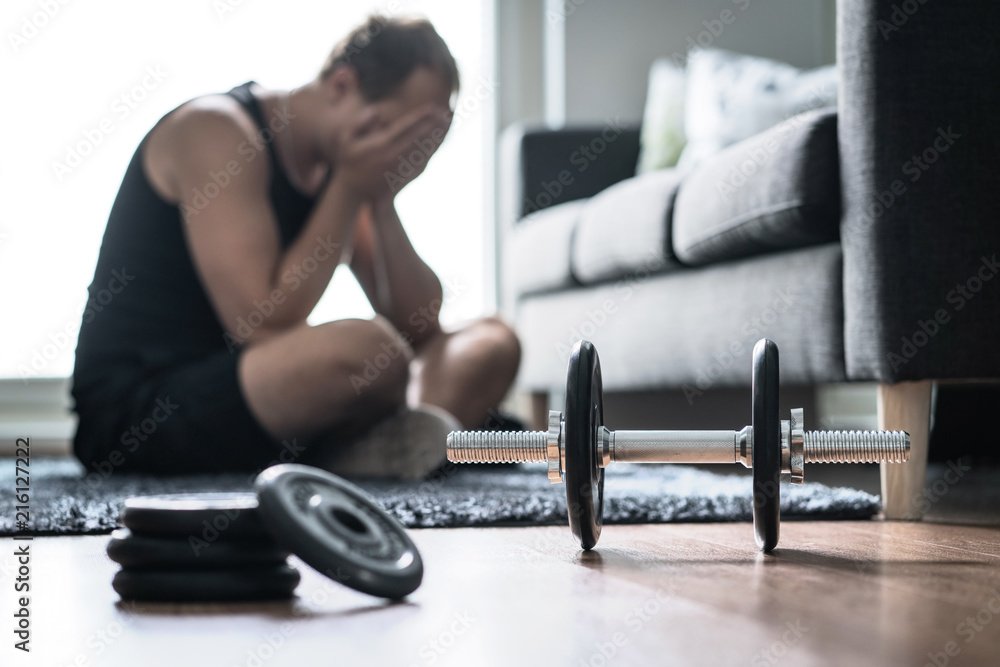
How to Overcome Exercise Resistance and Become Joyfully Active
Professionals tend to view “exercise resistance” as a behavioral problem or worse, a character flaw. They focus on education, motivation and other behavioral strategies to get us moving. However, if you are exercise resistant, if you have a conscious or unconscious block against becoming physically active, these strategies will not work for you. To become joyfully active, a shift away from “exercise think” is needed.

Intuitive Eating, Nutrition, and Health: What Does the Research Say?
Research about intuitive eating was sparse in the 90s, but the more people experience success, the more the scientists are taking notice, and in the recent years, we are seeing significant research confirming intuitive eating works. Following are some of the key earlier studies, plus other article relevant to intuitive eating.

Compulsive Exercise: Are You Overdoing It?
Men and women are presenting to counseling in increasing numbers--not because they want to slow down their exercise, but because something is interfering with it. If these exercisers were willing to take a look at what they are doing, they would find that their activity is not about performance or reshaping their bodies, but about dealing with life. They would find exercise is essential to them to provide a feeling of mental well-being, to release their tension and anger, and even relieve anxiety and depression. They also would find they have few other strategies to cope with these feelings.

When Someone You Know Is Suffering from an Eating Disorder
The ongoing support of a spouse, parent, sibling, or friend is one of the most valuable tools a person with an eating disorder eating can have. This article focuses on helping someone with bulimia, but the article can apply to helping someone with anorexia, binge eating disorder and emotional eating as well.

Is Peanut Butter Unhealthy? The Case of Peanut Butter on a Rice Cake
Can adding peanut butter really turn a “healthy” rice cake into an unhealthy one? A small diet-culture moment reveals a much bigger problem with how we think about food.